Key takeaways
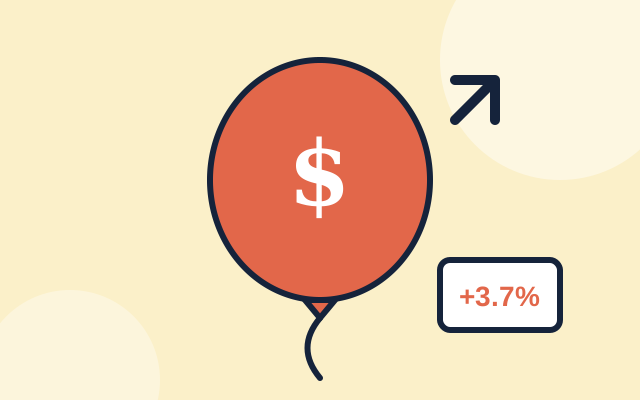
- Inflation measured 3.7% for the 12 months through September 2026, with gas leading the increase.
- Cash in a low-rate account loses buying power every year; move it somewhere that earns more than inflation.
- Track your own inflation rate. The categories you spend on most matter more than the national number.
Inflation means each dollar buys a little less than it did last year. The Consumer Price Index rose 3.7% over the 12 months ending in September 2026, up from 3.4% in August, according to the Bureau of Labor Statistics. Gasoline was the biggest driver, but your personal inflation rate depends on what you actually buy.
You can’t control prices. You can control how much they cost you.
Know your own inflation rate
The national number is an average. A family that drives a lot feels gas prices far more than someone who works from home. Compare your spending in a few key categories to the same months last year: groceries, gas, utilities, insurance and housing. The categories that rose the most are where to focus first.
Protect your grocery budget
- Plan meals around what’s on sale this week, not the other way around.
- Buy store brands for staples. They’re often made in the same facilities as name brands.
- Check unit prices on the shelf tag; bigger isn’t always cheaper.
- Cut waste. Food you throw away is the most expensive food you buy.
Our grocery savings guide has 15 more ways to save.
Cut the cost of driving
With the national average for regular gas around $4.29 in late October 2026, driving habits matter more than usual. Combine errands, keep tires inflated, compare prices in a gas app and use warehouse club or grocery fuel rewards if you already shop there. See how to save on gas.
Make your savings outpace inflation
Money sitting in a checking account or a savings account paying a fraction of a percent loses buying power every year. At 3.7% inflation, $10,000 earning 0.38% will buy about $9,680 worth of today’s goods a year from now.
Options that have recently paid around or above the inflation rate:
- High-yield savings accounts: top online banks paid roughly 4.2% to 4.4% APY in late October 2026. Learn more.
- I bonds: U.S. savings bonds whose rate adjusts with inflation. Bonds bought from May through October 2026 earn 4.26% for their first six months. How I bonds work.
- Treasury bills and CDs: lock in a rate for a set period. Compare your options.
Try our inflation calculator to see what your savings will be worth in real terms.
Invest for the long run
For money you won’t need for five years or more, stocks have historically grown faster than inflation over long periods, though with ups and downs along the way. Low-cost index funds in a 401(k) or IRA are the simplest way in. Start with our beginner’s investing guide.
Don’t let debt compound the damage
When the Federal Reserve raises rates to fight inflation, variable-rate debt like credit cards gets more expensive. Paying down card balances is one of the few guaranteed “returns” available. See our debt payoff plan.
Ask for a raise that keeps up
If your pay rose less than 3.7% this year, your income fell in real terms. Before your review, research what your role pays in your area and bring a short list of results you delivered. Even if the answer is no, ask what it would take to get there by a specific date.
Watch for “shrinkflation”
Some products keep the same price but shrink the package. The unit price on the shelf tag is the only reliable way to compare.
The bottom line
Fighting inflation is mostly about defense on everyday spending and offense with your savings. Trim the categories that rose the most for you, and make sure your cash earns more than prices are rising.
WalletJolly may earn a commission from links on this page. Rates, prices and rules mentioned are current as of Oct. 28, 2026 and can change. This article is general information, not financial, tax, insurance or legal advice.