Key takeaways
- Payment history and how much of your credit you use make up about two-thirds of a FICO score.
- Paying down card balances can raise your score in as little as one billing cycle.
- Check your reports at all three bureaus for free and dispute errors.
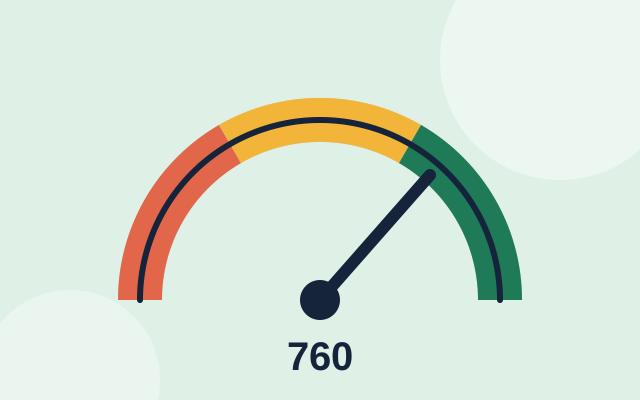
A better credit score can lower what you pay for a car loan, mortgage, credit card and even insurance in most states. The average FICO score in the U.S. was 714 in FICO’s latest report from August 2026, which falls in the “good” range. Getting into the 740s or higher typically unlocks the best rates.
Here’s what moves the needle, ranked by impact.
1. Pay every bill on time
Payment history is the biggest factor in a FICO score, about 35%. A single payment 30 or more days late can drop a good score sharply and stays on your report for seven years.
- Set up autopay for at least the minimum due on every card and loan.
- If you miss a payment, pay it before it hits 30 days late. Most lenders don’t report late payments to the bureaus before then.
- Already have a late payment? Call and ask for a “goodwill adjustment.” It doesn’t always work, but it costs nothing to ask if you have an otherwise good history.
2. Lower your credit utilization
Utilization is how much of your available credit card limit you’re using. It’s part of “amounts owed,” about 30% of a FICO score.
- Keep total utilization under 30%. People with the highest scores often stay under 10%.
- Utilization is usually based on your statement balance, so paying down your card before the statement closes can help even if you pay in full each month.
- Ask your issuer for a credit limit increase. If they approve it without a hard inquiry, your utilization drops instantly.
Because utilization has no memory in most scoring models, this is the fastest way to raise your score. Our credit utilization guide explains the math.
3. Fix errors on your credit reports
You can check your reports from Equifax, Experian and TransUnion for free every week at AnnualCreditReport.com. Look for accounts you don’t recognize, late payments you made on time, wrong balances and old debts that should have aged off. Here’s how to check and dispute your report.
4. Don’t close old cards
The length of your credit history is about 15% of your score. Closing your oldest card shortens it and also lowers your total available credit, which raises utilization. If an old card has an annual fee, ask to switch it to a no-fee version instead of closing it.
5. Be careful with new applications
Each application for new credit usually creates a hard inquiry, which can shave a few points for about a year. Shopping for a single mortgage or auto loan within a short window typically counts as one inquiry, so compare rates within about two weeks.
6. Build credit if you have little or none
- Secured credit card: You put down a deposit that becomes your limit. Use it for a small bill and pay in full.
- Credit-builder loan: Offered by many credit unions; your payments are saved and returned to you at the end.
- Authorized user: Being added to a family member’s well-managed card can help, as long as they pay on time and keep the balance low.
How long does it take?
| Action | When you might see a change |
|---|---|
| Paying down card balances | 1–2 billing cycles |
| Removing an error | 30–45 days after a successful dispute |
| Recovering from a late payment | Impact fades over 1–2 years |
| Building a thin file | About 6 months for a first score |
What doesn’t help
Checking your own score doesn’t hurt it. Carrying a balance to “build credit” doesn’t help; it just costs interest. And be wary of companies that promise to remove accurate negative items for a fee. You can dispute errors yourself for free.
WalletJolly may earn a commission from links on this page. Rates, prices and rules mentioned are current as of Oct. 28, 2026 and can change. This article is general information, not financial, tax, insurance or legal advice.