Key takeaways
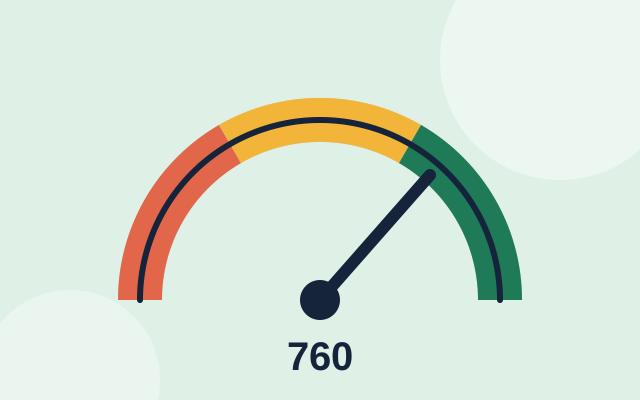
- FICO scores range from 300 to 850; the average was 714 in FICO's August 2026 report.
- Payment history and amounts owed together make up about 65% of a FICO score.
- You have many scores, not one, because there are different models and three credit bureaus.
A credit score helps lenders estimate how likely you are to repay what you borrow. A higher score usually means lower interest rates, easier approvals and sometimes lower insurance premiums and security deposits.
The two main scoring models
FICO scores are used in most lending decisions. VantageScore, created by the three credit bureaus, is common in free credit monitoring apps. Both typically range from 300 to 850, and both look at similar information, but they weigh it differently. That’s why the score in your app might not match what a lender sees.
You also have separate reports at Equifax, Experian and TransUnion, and lenders may use different versions of each model. Don’t worry about small differences; focus on the habits that raise all of them.
The five factors in a FICO score
| Factor | Approximate weight | What it means |
|---|---|---|
| Payment history | 35% | Do you pay on time? |
| Amounts owed | 30% | How much of your available credit are you using? |
| Length of credit history | 15% | How long have your accounts been open? |
| New credit | 10% | Have you opened or applied for several accounts recently? |
| Credit mix | 10% | Do you have different types of credit, like cards and loans? |
Payment history
Late payments, collections and bankruptcies hurt the most. A payment generally isn’t reported late until it’s 30 days past due, but once reported, it can stay on your report for seven years.
Amounts owed
This includes your credit utilization ratio, the share of your card limits you’re using. Lower is better. Read our credit utilization guide.
Length of credit history
Older accounts help. That’s one reason not to close your oldest credit card.
New credit
Each hard inquiry from an application can cause a small, temporary dip. Rate shopping for a mortgage or auto loan in a short window is usually treated as a single inquiry.
Credit mix
Having both revolving credit (cards) and installment loans (auto, student, mortgage) can help slightly, but it’s not worth taking on debt just for this.
What’s not in your score
Your income, job, savings, age, race, religion, marital status and where you live are not part of your credit score. Checking your own score doesn’t hurt it either.
Score ranges
| FICO range | Rating |
|---|---|
| 800–850 | Exceptional |
| 740–799 | Very good |
| 670–739 | Good |
| 580–669 | Fair |
| 300–579 | Poor |
Ready to improve yours? Start with our step-by-step guide to raising your credit score.
WalletJolly may earn a commission from links on this page. Rates, prices and rules mentioned are current as of Oct. 28, 2026 and can change. This article is general information, not financial, tax, insurance or legal advice.